

Losing someone close can change the rhythm of everyday life.
For an older adult, the loss of a spouse, sibling, longtime friend, or family member may affect much more than emotional well-being. Familiar routines can suddenly feel different. Meals that were once shared become quiet. Favourite activities may lose their appeal, and a home filled with memories can sometimes feel unusually empty.
Grief is a personal experience, and there is no single timeline for adjusting to loss. Some people find comfort in staying active, while others need additional quiet time. Many experience a combination of both.
At Seniors Solution, we understand that compassionate home care should recognize emotional needs alongside everyday practical responsibilities. Our personalized companion care and in-home support services help older adults throughout Ottawa, Kanata, Nepean, Barrhaven, Orléans, Westboro, Rockcliffe, Alta Vista, Manotick, and surrounding communities maintain meaningful routines and connections during difficult life transitions.
While home caregivers do not replace professional grief counselling or mental health treatment, dependable companionship and practical assistance can help make daily life feel more manageable.
Grief Can Change Everyday Life in Unexpected Ways
After losing someone important, ordinary activities may become emotionally difficult.
An older adult who previously enjoyed cooking may stop preparing favourite meals because they associate them with a loved one.
Someone who regularly attended community events with a spouse may hesitate to return alone.
A person who enjoyed gardening may temporarily lose interest in maintaining the garden.
These changes do not necessarily indicate an inability to live independently. They may reflect the emotional adjustment that follows a significant loss.
Families can help by recognizing these changes without expecting their loved one to immediately return to previous routines.
The Importance of Companionship During Bereavement
Grief can become particularly difficult when an older adult spends long periods alone.
A familiar voice, friendly conversation, or shared activity can provide meaningful human connection.
Companion care may include:
- Conversation and attentive listening
- Sharing meals
- Reading together
- Enjoying music
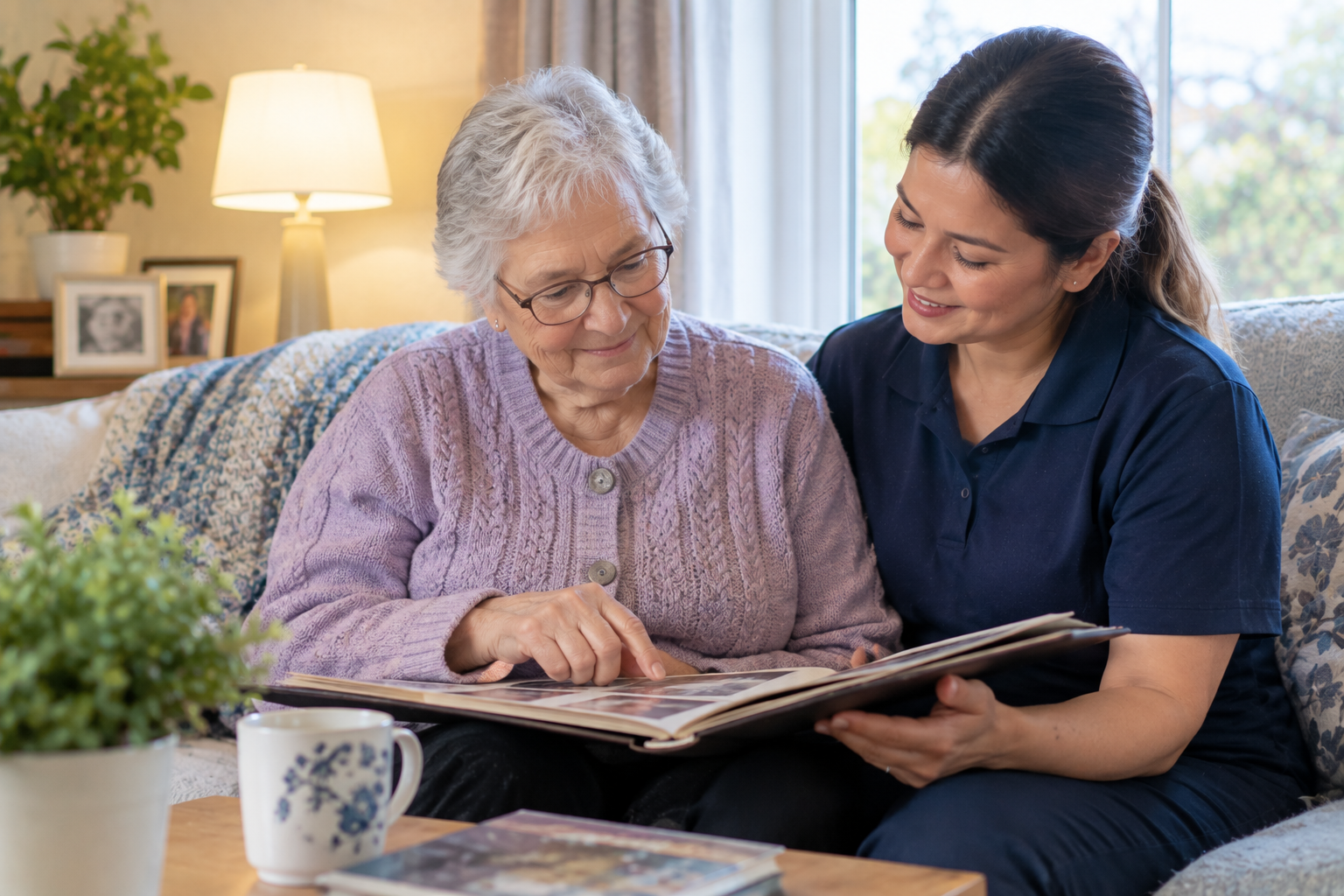
- Looking through photographs
- Participating in familiar hobbies
- Taking comfortable walks
- Accompanying clients on local outings
The objective is not to distract someone from grief or force them to feel better.
Instead, companionship offers consistent social contact while respecting the person’s emotions and preferences.
At Seniors Solution, we believe compassionate support begins with listening.
Familiar Routines Can Provide Comfort
After a major loss, daily routines may become less predictable.
A person who previously shared breakfast with a spouse may no longer feel motivated to prepare it.
Evening television programs may bring back memories.
Regular shopping trips may feel unfamiliar without the person who usually accompanied them.
Maintaining selected routines can provide continuity during a period of change.
Caregivers can help older adults preserve comfortable habits such as morning coffee, regular mealtimes, afternoon walks, or favourite hobbies.
These familiar activities can provide structure without placing unnecessary pressure on the individual.
Mealtimes May Become More Difficult After Loss
Food often carries emotional meaning.
Family recipes, holiday meals, and shared dinners are connected to relationships and memories.
After bereavement, cooking for one person may feel particularly difficult.
Some older adults begin preparing simpler meals, eating irregularly, or losing interest in grocery shopping.
Meal preparation assistance can help make daily nutrition easier.
Our caregivers can assist with grocery organization, simple meal preparation, kitchen cleanup, and maintaining familiar eating routines.
Whenever appropriate, clients can remain involved by choosing recipes, selecting ingredients, or sharing family cooking traditions.
A favourite meal may become an opportunity for conversation and connection rather than another household responsibility.
Allowing Space for Memories Matters
Families sometimes avoid mentioning a deceased loved one because they worry about causing sadness.
However, some grieving individuals find comfort in remembering and talking about the person they have lost.
Others may prefer privacy.
The important consideration is respecting individual preferences.
A caregiver might listen as a client shares stories about a spouse, describes a memorable holiday, or looks through old family photographs.
These conversations should never be forced.
Compassionate companionship means allowing the older adult to guide what they wish to share.
Social Withdrawal Can Develop Gradually
Following a loss, an older adult may begin declining invitations.
A weekly coffee outing may stop.
Community activities may feel uncomfortable.
Family gatherings may bring mixed emotions.
Some temporary withdrawal can be a natural part of grieving, but prolonged isolation deserves attention.
Families may want to observe whether their loved one is maintaining relationships, participating in enjoyable activities, and managing daily responsibilities.
Companion care can help create gentle opportunities for connection.
For older adults in Westboro, Rockcliffe, Alta Vista, and other Ottawa neighbourhoods, supported visits to familiar community locations may make social participation feel less overwhelming.
Reconnecting With Community Activities
Returning to community life after losing someone close can take time.
An older adult may hesitate to attend activities they previously enjoyed as a couple.
Having someone accompany them can make the transition easier.
Depending on individual interests, supported outings might include:
- Visiting a local café
- Attending religious services
- Participating in community programs
- Going to a library
- Visiting friends
- Shopping for personal items
- Attending family celebrations
Transportation and companionship can help remove practical barriers while allowing the client to decide when they feel ready.
Household Responsibilities Can Suddenly Change
When a spouse passes away, the surviving partner may inherit responsibilities they have not managed regularly for years.
One spouse may have handled cooking and shopping.
The other may have managed transportation and household organization.
After a loss, these responsibilities can become unfamiliar or overwhelming.
Home care can provide assistance with everyday activities such as:
- Light housekeeping
- Laundry
- Meal preparation
- Grocery shopping
- Transportation
- Personal care
- Household organization
This practical support can reduce daily pressure while the older adult adjusts to changing circumstances.
Families May Notice Changes From a Distance
Adult children often worry about a grieving parent, particularly when they live outside the Ottawa region.
Telephone conversations may not reveal everything happening at home.
A parent may say they are doing well while quietly struggling with meals, household tasks, or loneliness.
Regular visits and appropriate communication can help families better understand changing needs.
Professional home care can provide a dependable local source of practical assistance while family members remain actively involved in emotional support and important decisions.
Respecting the Individual’s Grieving Process
There is no universal way to grieve.
Some people want company frequently.
Others prefer shorter visits and more time alone.
Some enjoy talking about memories, while others find comfort in familiar daily activities.
A personalized care plan should reflect those differences.
Caregivers should avoid assuming that every grieving older adult needs the same schedule, activities, or level of interaction.
At Seniors Solution, we believe respecting personal preferences is essential to compassionate care.
Recognizing When Additional Professional Help May Be Needed
Grief can involve sadness, changes in sleep, reduced appetite, and difficulty concentrating.
However, persistent or worsening difficulties deserve professional attention, particularly when they interfere significantly with daily functioning.
Families should consider consulting an appropriate healthcare or mental health professional if their loved one experiences concerning changes in behaviour, severe withdrawal, significant difficulties with eating or sleeping, or an inability to manage essential daily needs.
Any expression of self-harm or suicidal thoughts requires immediate professional assistance.
Home care can complement professional treatment through companionship and practical support, but it is not a substitute for clinical assessment or counselling.
Helping Older Adults Rediscover Enjoyable Activities
After a loss, some older adults gradually become interested in activities they once enjoyed.
Others may discover new interests.
A caregiver can support participation in activities such as:
- Gardening
- Painting
- Reading
- Baking
- Knitting
- Puzzles
- Music
- Gentle outdoor activities
- Community programs
These experiences do not erase grief.
Instead, they can help create opportunities for enjoyment and personal connection alongside the grieving process.
The individual should always determine which activities feel comfortable.
Personal Care Should Remain Respectful and Flexible
Emotional distress can sometimes make everyday personal routines feel more demanding.
An older adult may take longer to get dressed, become less interested in grooming, or feel tired while completing morning activities.
Respectful personal care assistance can help maintain familiar routines without unnecessarily removing independence.
Care may include help with dressing, bathing, grooming, or preparing for outings, depending on individual needs.
The goal is to provide assistance while preserving dignity and personal choice.
Supporting Grieving Older Adults Living With Dementia
Bereavement can be particularly complex for individuals living with dementia.
Changes in memory and communication may affect how a person understands or responds to a loss.
Some individuals may ask repeatedly about the person who has died. Others may experience changes in mood, routine, or behaviour.
Families should seek individualized guidance from appropriate healthcare professionals when needed.
Caregivers can provide calm communication, familiar activities, patient reassurance, and consistent daily support.
Every person’s experience is different, and compassionate care should reflect their abilities and emotional needs.
Family Caregivers Need Support Too
When an older adult experiences bereavement, family members often take on additional responsibilities.
They may begin coordinating appointments, providing transportation, managing groceries, or visiting more frequently.
These responsibilities can become demanding, particularly when family members are grieving themselves.
Respite care and practical home support can help distribute responsibilities.
This allows families to remain emotionally present without needing to manage every household task alone.
Personalized Bereavement Support Across Ottawa
The practical needs of grieving older adults can vary considerably.
A client in Kanata may benefit from regular companionship and grocery assistance.
Someone in Barrhaven may need help with transportation to familiar community activities.
An older adult in Nepean may require meal preparation and light housekeeping.
A family in Orléans may want dependable visits because relatives live farther away.
Clients in Westboro, Rockcliffe, Alta Vista, Manotick, Ottawa, and surrounding communities may have different priorities.
At Seniors Solution, we recognize that meaningful care begins with understanding each person’s circumstances, preferences, and existing support network.
Building a New Routine Without Forgetting the Past
Adjusting to life after loss does not mean forgetting someone important.
It means gradually discovering how everyday life can continue while carrying those memories forward.
A familiar meal can remain part of the week.
A favourite family tradition can continue.
A garden can still be cared for.
Friendships can remain meaningful.
New activities may eventually become enjoyable.
For many older adults, these changes happen slowly.
Patient companionship and dependable practical support can help make that adjustment less overwhelming.
Compassionate Home Care Is About Being Present
Sometimes the most meaningful assistance is not complicated.
It may be someone arriving at the expected time.
Someone preparing lunch.
Someone listening to a story.
Someone accompanying an older adult to a familiar place.
Someone respecting a quiet afternoon.
These ordinary moments can provide comfort during a difficult transition.
At Seniors Solution, we believe compassionate home care should support the whole person, recognizing that emotional well-being, familiar routines, independence, and meaningful relationships are all important parts of living comfortably at home.
Our goal is to provide practical, respectful assistance while helping older adults remain connected to the people, places, and activities that matter most.
Contact Seniors Solution for Compassionate Home Care in Ottawa
If your aging loved one is adjusting to the loss of a spouse, family member, or close friend, Seniors Solution can help provide dependable companionship and practical assistance at home.
Our personalized services may include companion care, meal preparation, light housekeeping, transportation assistance, personal care, respite care, dementia support, and help with everyday routines.
We proudly serve older adults and families throughout Ottawa, Kanata, Nepean, Barrhaven, Orléans, Westboro, Rockcliffe, Alta Vista, Manotick, and surrounding communities.
Phone: (613) 592-1250
Email: info@seniors-solution.com
Website: seniors-solution.com
Contact Seniors Solution today to discuss compassionate, personalized home care that respects your loved one’s emotional needs, independence, and dignity while helping them continue living comfortably in familiar surroundings.

